Best 5 Pour Over Coffee Methods for Rich Flavor
Have you ever wondered why coffee enthusiasts swear by manual brewing methods over automatic machines? The answer lies in the unparalleled control and flavor extraction that pour over coffee offers. This brewing technique has revolutionized how home baristas approach their morning ritual, delivering clean, nuanced flavors that highlight each bean’s unique characteristics. Whether you’re a seasoned coffee lover or just beginning your brewing journey, investing in a quality pour over coffee maker will transform your daily cup into an extraordinary experience.
Table of Contents
Materials & Supplies
Before starting your brewing adventure, gather these essential items:
Core Equipment:
– Pour over dripper (Hario V60, Chemex, or Kalita Wave)
– Paper or reusable metal filters
– Gooseneck kettle for precise pouring
– Digital scale with timer function
– Coffee grinder (burr grinder preferred)
Coffee Essentials:
– Freshly roasted whole beans (medium roast works best for beginners)
– Filtered water at optimal temperature (195-205°F)
Optional Accessories:
– Thermometer for water temperature accuracy
– Carafe or server for larger batches
– Dedicated brewing mugs
– Timer app or standalone timer
Alternative Options:
If you’re on a budget, a simple plastic dripper works excellently. Reusable metal filters eliminate ongoing paper filter costs while producing a fuller-bodied brew.
—
Timing / Coffee Schedule
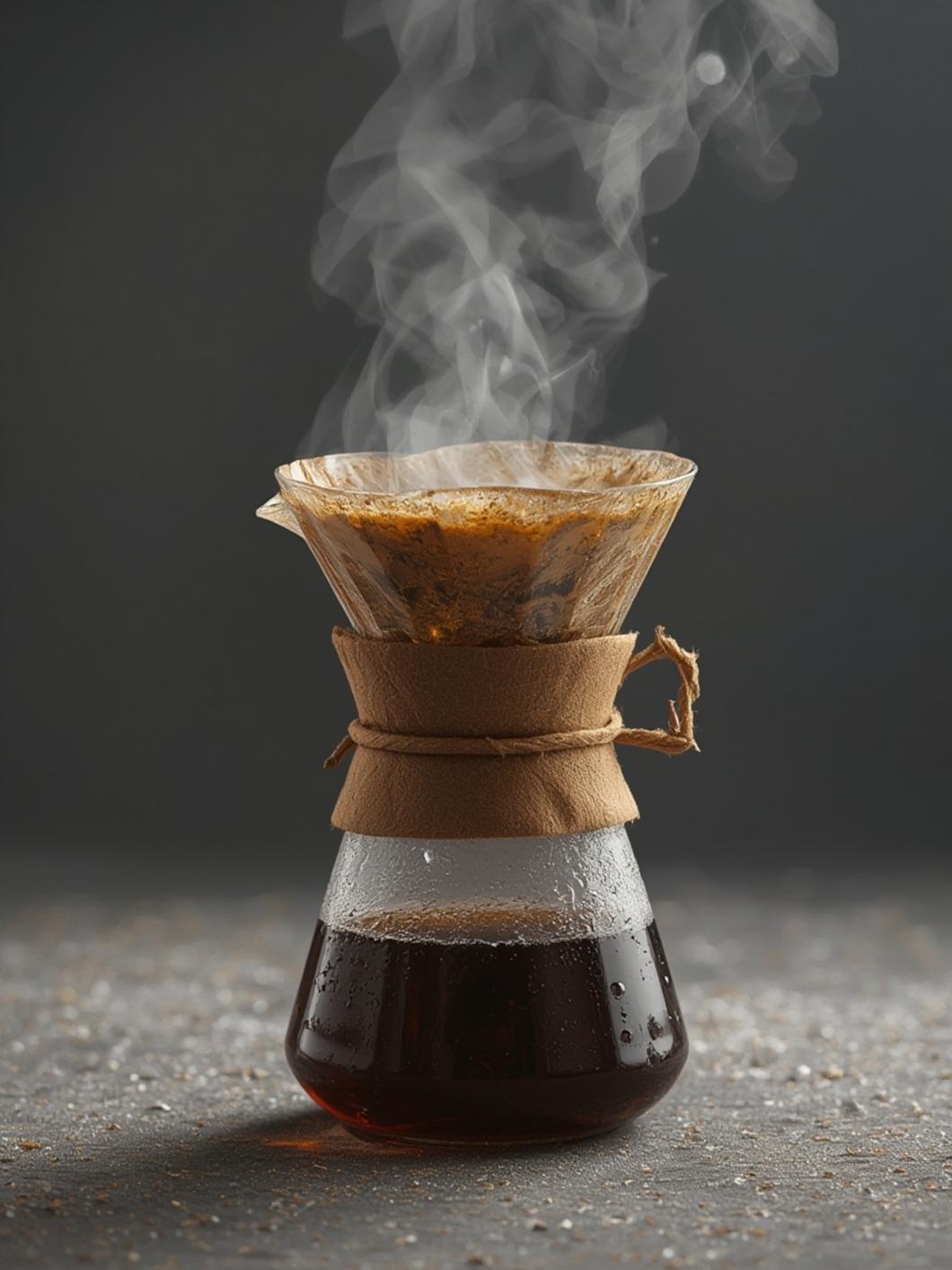
Understanding timing is crucial for consistent results. The entire process takes approximately 4-6 minutes from start to finish.
Preparation Phase: Allow 2-3 minutes for heating water and grinding beans. Fresh grinding immediately before brewing preserves aromatic compounds.
Bloom Stage: The initial pour takes 30-45 seconds. This allows carbon dioxide to escape from fresh grounds.
Main Brewing: The complete extraction should take 2:30-3:30 minutes. Adjust your grind size if brewing falls outside this window.
Serving: Enjoy immediately for optimal flavor. Coffee begins losing aromatic complexity within 30 minutes of brewing.
—
Step-by-Step Instructions
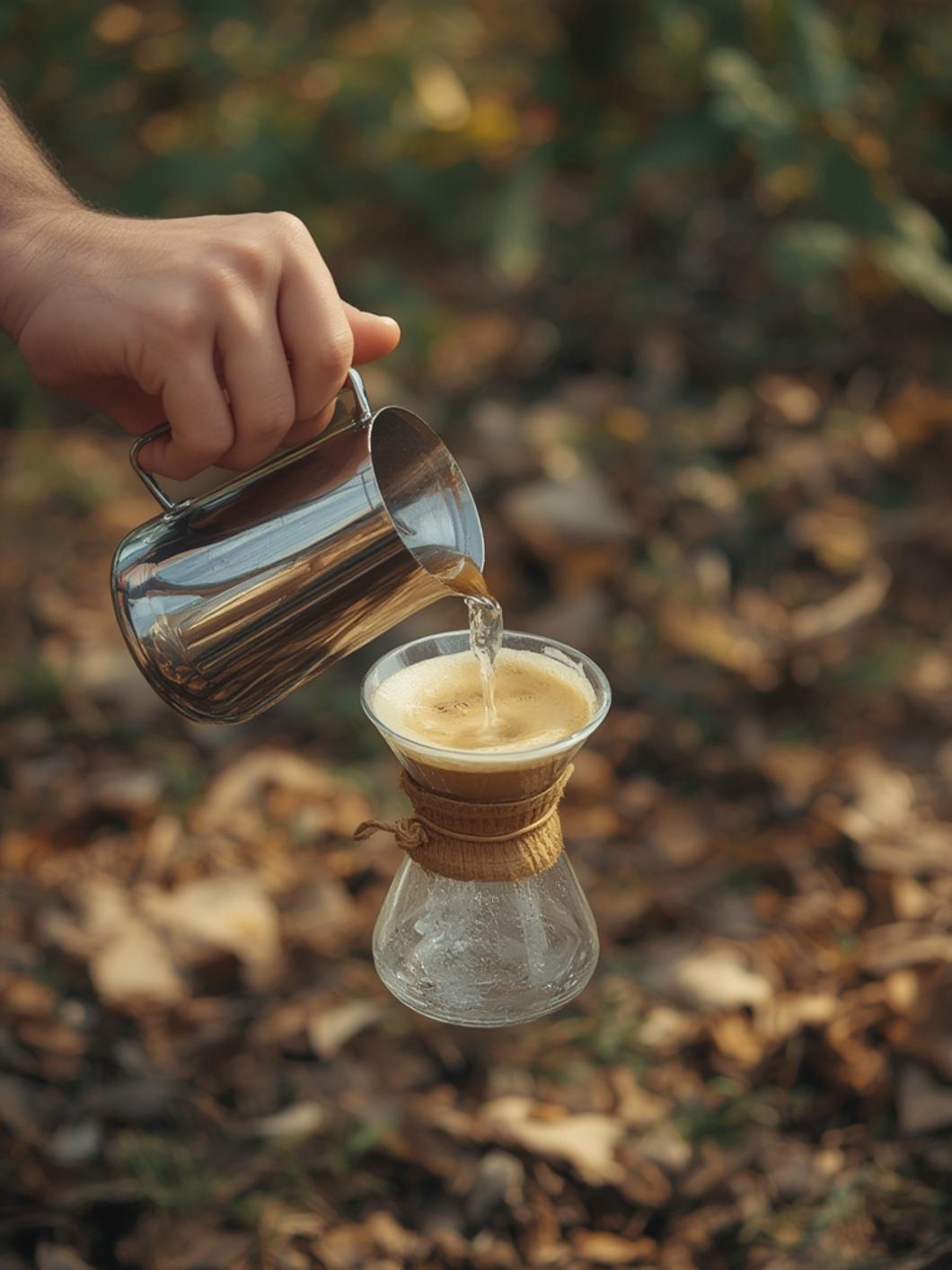
Step 1: Heat Your Water
Bring filtered water to 200°F. Using a gooseneck kettle provides the control necessary for pour over coffee perfection.
Step 2: Grind Your Beans
Measure 22-25 grams of coffee. Grind to medium-fine consistency, similar to table salt texture.
Step 3: Prepare Your Filter
Place the filter in your pour over coffee maker and rinse thoroughly with hot water. This eliminates paper taste and preheats your vessel.
Step 4: Add Coffee and Bloom
Add grounds to the filter, creating a flat bed. Pour 50-60 grams of water in circular motions. Wait 30-45 seconds while gases release.
Step 5: Continue Pouring
Pour remaining water slowly in concentric circles, avoiding the edges. Maintain steady flow until reaching 350-400 grams total water weight.
Step 6: Allow Complete Drainage
Let water drain completely. Remove dripper and swirl your carafe gently before serving.
Pro Tip: Maintain consistent pour height of 2-3 inches above the coffee bed for even extraction.
—
Benefits / Advantages
Superior Flavor Profile:
Manual brewing extracts nuanced flavors that automatic machines often miss. You’ll taste subtle notes of fruit, chocolate, or floral undertones.
Complete Control:
Adjust every variable—water temperature, pour rate, and grind size—to match your preferences perfectly.
Cost-Effective:
Quality drippers cost significantly less than espresso machines while producing exceptional results.
Health Benefits:
Paper filters remove cafestol and kahweol, compounds linked to elevated cholesterol levels.
Environmental Impact:
Manual brewing requires no electricity. Compostable filters and grounds reduce your environmental footprint.
Mindful Morning Ritual:
The meditative process encourages presence and intention, starting your day with focused calm.
—
Tips, Alternative Methods, or Coffee Advice
French Press Alternative:
For bolder, full-bodied coffee, steep coarse grounds in a French press for 4 minutes.
Cold Brew Option:
Steep coarse grounds in cold water for 12-24 hours for smooth, low-acid concentrate.
Espresso Style:
Invest in a Moka pot for stovetop espresso-like intensity without expensive equipment.
Seasonal Variations:
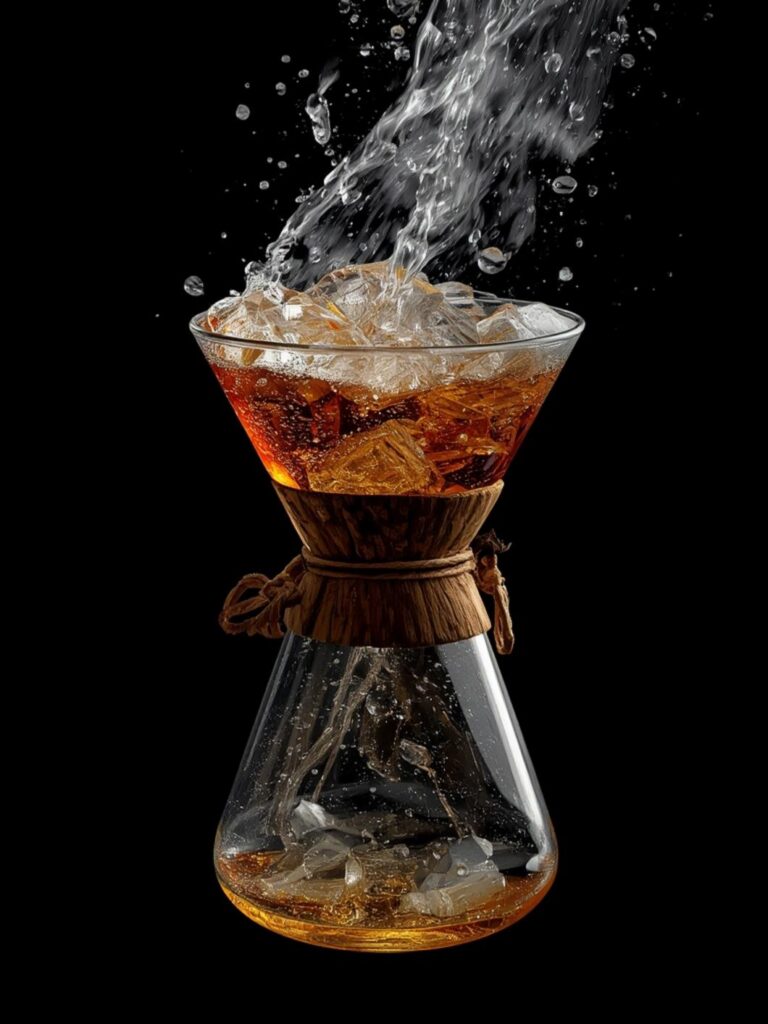
Add cinnamon during autumn months or create iced versions during summer by brewing directly over ice.
Small Kitchen Solutions:
Compact drippers like the AeroPress require minimal space while delivering outstanding results.
Latte Creation:
Heat and froth milk using a simple handheld frother for café-style drinks at home.
—
Common Mistakes to Avoid
Using Stale Beans:
Coffee peaks 7-21 days after roasting. Check roast dates before purchasing.
Incorrect Grind Size:
Too fine causes bitter over-extraction; too coarse produces weak, sour coffee. Adjust based on brew time.
Ignoring Water Quality:
Tap water with chlorine or minerals affects taste. Use filtered water consistently.
Inconsistent Pouring:
Aggressive or uneven pouring creates channeling. Practice slow, steady circular motions.
Skipping the Bloom:
Fresh coffee needs degassing time. Never skip this essential step.
Wrong Water Temperature:
Boiling water burns grounds; too cool under-extracts. Aim for 195-205°F precisely.
—
Storage / Maintenance Tips
Bean Storage:
Keep whole beans in airtight containers away from light, heat, and moisture. Avoid refrigeration, which introduces condensation.
Ground Coffee:
Grind only what you need. Pre-ground coffee loses freshness within hours of grinding.
Brewed Coffee:
Store in thermal carafes for up to 30 minutes maximum. Never reheat brewed coffee.
Equipment Maintenance:
Rinse drippers after each use. Deep clean weekly with mild dish soap. Descale kettles monthly using vinegar solution.
Filter Storage:
Keep paper filters in dry, sealed containers to prevent moisture absorption and off-flavors.
—
Conclusion
Mastering pour over coffee transforms your daily routine into a rewarding ritual that produces exceptional results. By following these guidelines—from selecting quality equipment to perfecting your technique—you’ll consistently brew café-quality coffee at home.
Ready to elevate your coffee experience? Start by investing in a reliable pour over coffee maker and quality beans, then practice these techniques daily. Share your brewing journey in the comments below, and don’t forget to bookmark this guide for future reference!
—
New to pour-over entirely? Our step-by-step pour-over guide walks through the basics before you try these methods.
FAQs
What’s the ideal coffee-to-water ratio for pour over brewing?
The standard ratio is 1:15 to 1:17 (coffee to water). Start with 22 grams of coffee to 350 grams of water and adjust based on your taste preferences.
How long do pour over coffee makers last?
Quality ceramic or glass drippers last indefinitely with proper care. Plastic versions typically last 3-5 years before requiring replacement.
Can I use pre-ground coffee for pour over brewing?
While possible, freshly ground beans produce significantly better results. Pre-ground coffee loses aromatic oils rapidly after grinding.
Why does my pour over coffee taste bitter?
Bitterness indicates over-extraction. Try coarser grind size, lower water temperature, or faster pour rate to balance flavors.
Is pour over coffee stronger than drip coffee?
Not necessarily. Strength depends on your coffee-to-water ratio. Pour over offers cleaner, more nuanced flavors rather than increased caffeine content.