How to Clean Coffee Maker in 5 Steps
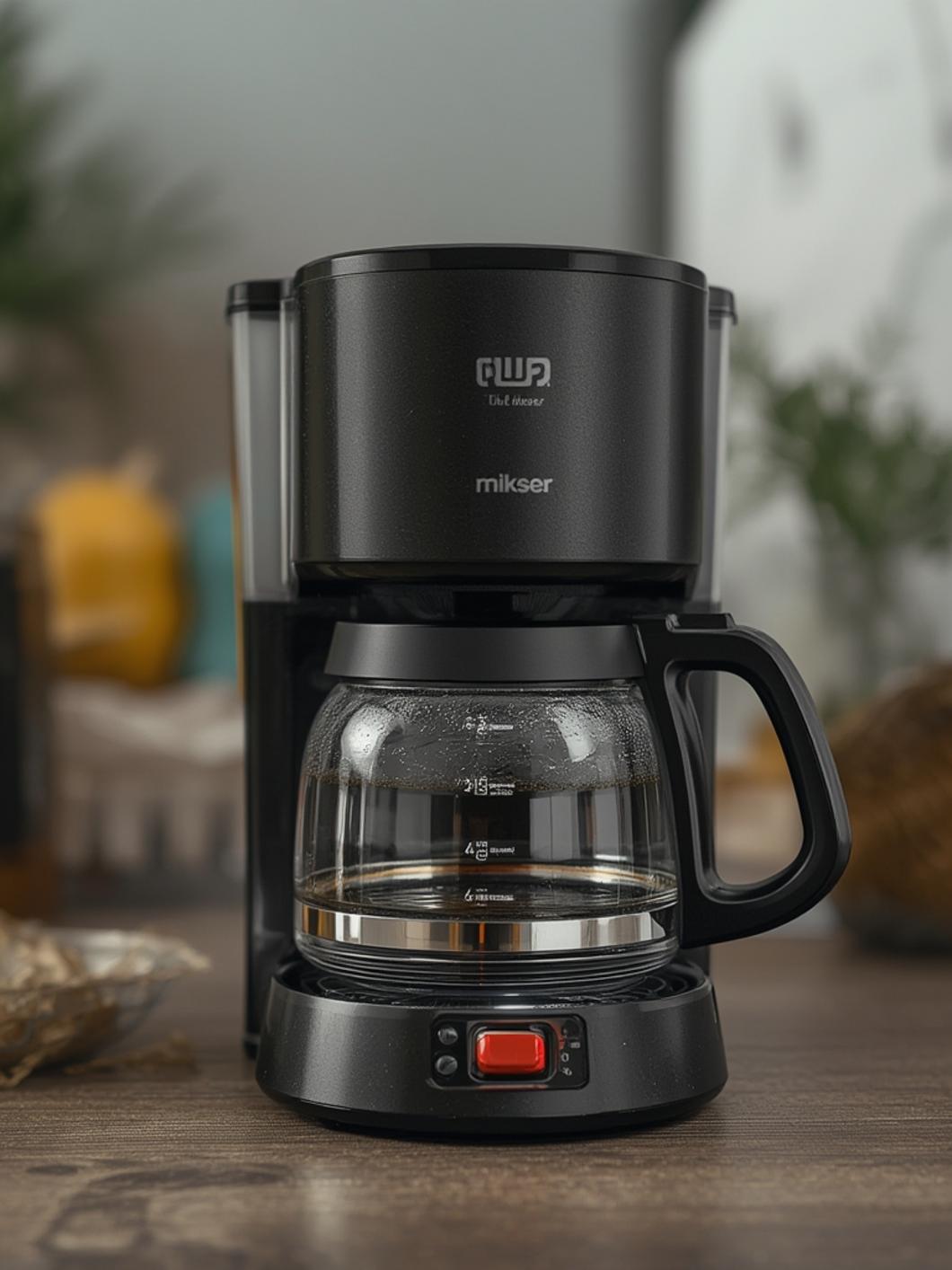
A dirty coffee maker doesn’t just look bad — it makes your coffee taste worse, one batch at a time, until the flat or slightly sour flavor starts to feel normal. The fix isn’t complicated: five steps, done monthly, keep any drip machine running clean and brewing at full strength.
What You’ll Need
White distilled vinegar, fresh water, a soft sponge or cloth, and a small brush for the filter basket. That’s the full list for a standard drip machine — no specialty descaling products required, though a commercial descaling solution works as a fragrance-free substitute for vinegar if you prefer.
The 5-Step Cleaning Process
Step 1: Disassemble and Hand-Wash Removable Parts
Unplug the machine and remove the carafe, filter basket, and reservoir lid. Wash each in warm, soapy water — the filter basket especially, since coffee oils cling to it more than any other part. Rinse and set aside to air-dry.
Step 2: Fill the Reservoir With a Vinegar-Water Solution
Mix equal parts white vinegar and water and pour it into the water reservoir. For a machine that hasn’t been descaled in a while, straight 1:1 is right; for lighter, more frequent maintenance, one part vinegar to two parts water is enough.
Step 3: Run the Cycle in Two Halves
Start a normal brew cycle with the empty carafe in place. Let it run about halfway, then turn the machine off and let the solution sit in the lines for 15–30 minutes — this is what actually dissolves mineral scale, not just the flow of liquid through the machine. Turn it back on and let the cycle finish.
Step 4: Rinse With Two Full Cycles of Plain Water
Empty the vinegar solution and run at least two full cycles of clean water only. This is the step most people cut short, and it’s the reason a freshly “cleaned” machine sometimes produces coffee that tastes like vinegar for the next few pots.
Step 5: Wipe Down, Dry, and Reassemble
Wipe the exterior and warming plate with a damp cloth — a sprinkle of baking soda handles any burnt-on residue on the plate. Make sure every removable part is fully dry before putting the machine back together; reassembling while damp is one of the most common causes of musty smells showing up on the next brew.
A Note on Single-Serve and Espresso Machines
The five steps above are written for a standard drip machine. If you own a Keurig or another single-serve pod machine, most manufacturers explicitly advise against running vinegar through it — the acid can degrade internal seals and tubing that aren’t built for it the way a drip machine’s are. Use a manufacturer-approved descaling solution instead, following the same basic run-half-pause-finish pattern. Espresso machines have their own separate maintenance routine entirely: backflushing with a blind filter basket and espresso-specific cleaning powder, done weekly rather than monthly, since coffee oils build up in the group head far faster than they do in a drip reservoir.
How Often to Repeat This
Wipe down and rinse removable parts after every use — this takes under a minute and prevents most of the buildup in the first place. Run the full 5-step descaling process monthly if you’re in a hard-water area or brew daily; every three months is enough with soft water or lighter use.
FAQs
Can I use apple cider vinegar instead of white vinegar?
It works chemically, but white distilled vinegar is preferred because it’s colorless and rinses out without leaving a tint or lingering smell behind.
Why does my coffee taste like vinegar after cleaning?
Not enough rinse cycles. Run additional cycles of plain water — two is usually the minimum, but a machine with a lot of built-up scale may need three or four before the taste is completely gone.
What’s the white residue inside my coffee maker?
Mineral scale from hard water — mostly calcium and magnesium. It’s exactly what the vinegar cycle is designed to dissolve, and it’s also what slows down a machine’s brew time as it builds up.
Is it safe to put coffee maker parts in the dishwasher?
Check your specific machine’s manual first. Most glass carafes and plastic filter baskets are top-rack dishwasher-safe, but thermal carafes and some plastic components can warp under high heat.