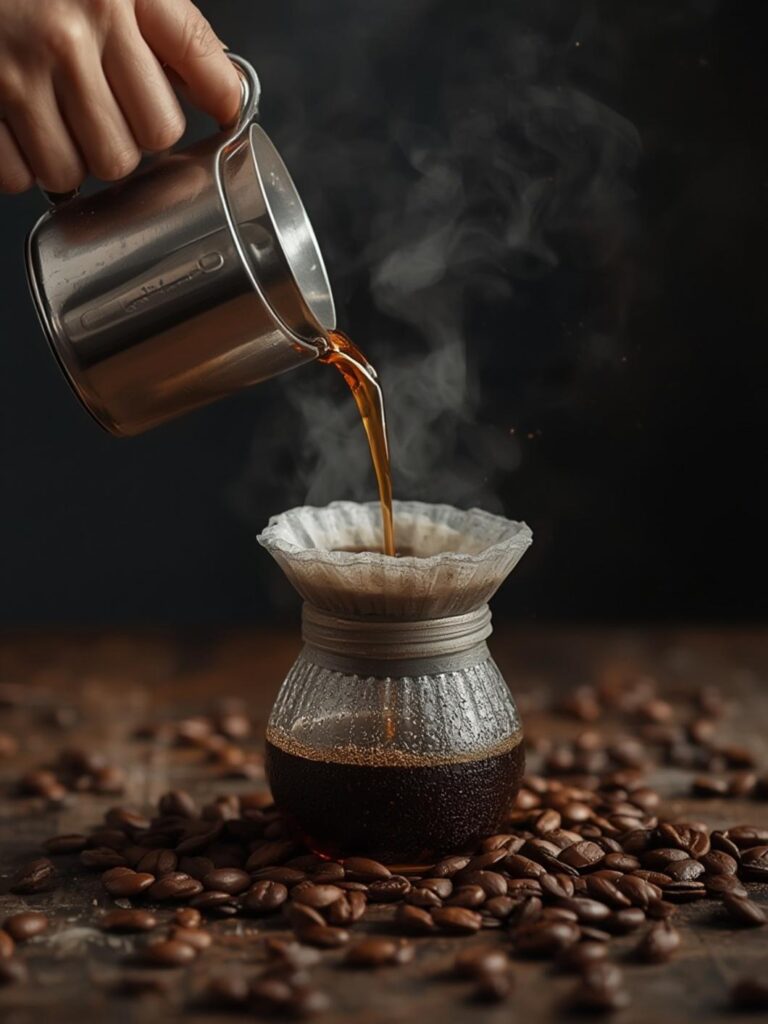
Top 7 Cute Coffee Shops Near Me Worth Visiting
Have you ever walked past a charming neighborhood café and wished you could recreate that magical experience in your own kitchen? Finding cute coffee shops near me has become a beloved pastime for coffee enthusiasts everywhere. However, mastering the art of home brewing allows you to enjoy exceptional coffee anytime you want. Whether you’re searching for cozy cafes nearby for inspiration or simply want to elevate your morning routine, this comprehensive guide will transform your home into your favorite coffee destination.
Table of Contents
Materials & Supplies
Creating café-quality coffee at home requires the right equipment and ingredients. Here’s everything you’ll need to get started.
Essential Equipment:
– Quality burr grinder (blade grinders work as budget alternatives)
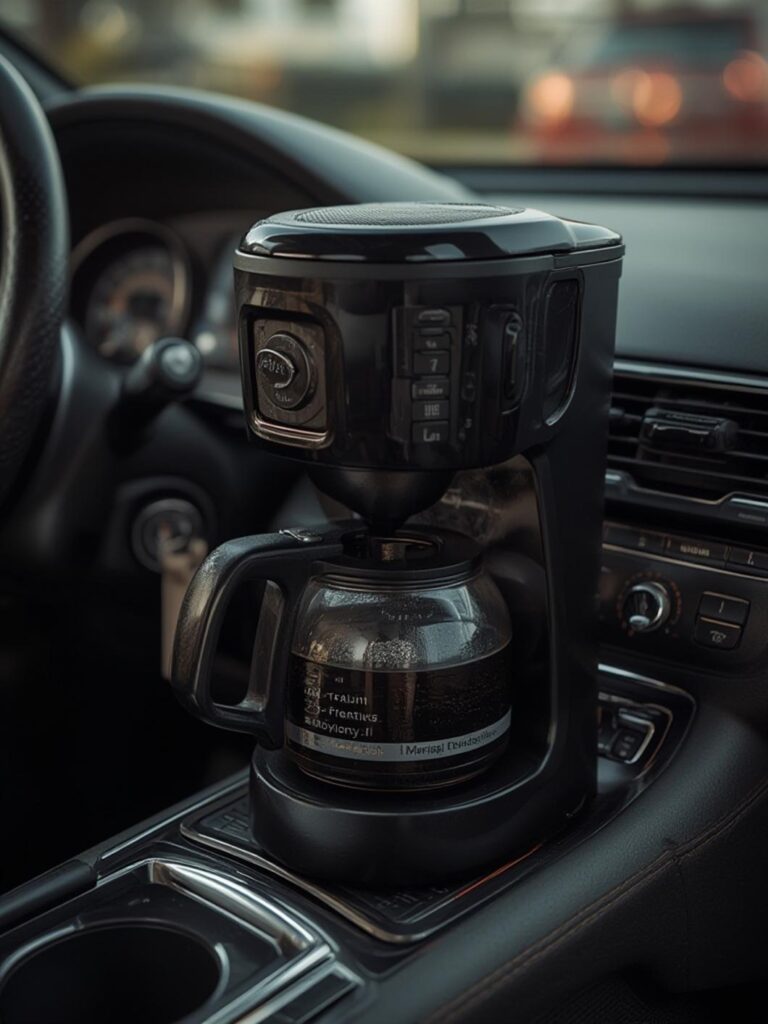
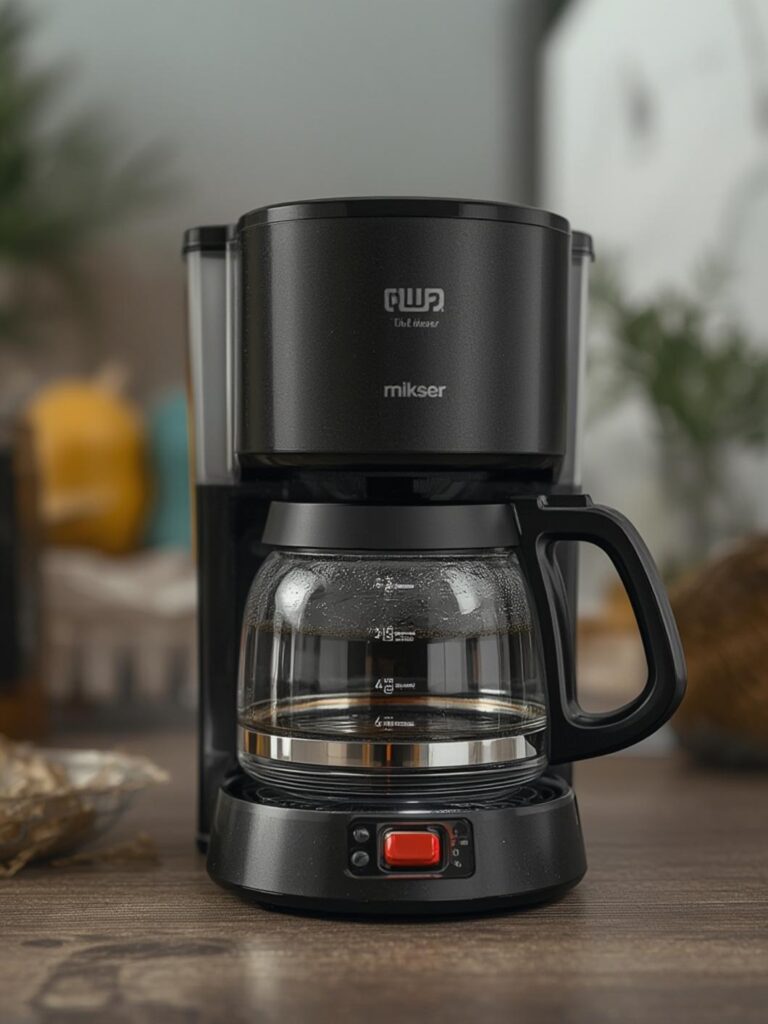
– Coffee maker, French press, or espresso machine
– Digital kitchen scale for precise measurements
– Gooseneck kettle for pour-over methods
– Thermometer for optimal water temperature
Coffee Essentials:
– Freshly roasted whole bean coffee (single-origin or blends)
– Filtered water (crucial for taste)
– Milk or plant-based alternatives (oat, almond, coconut)
– Flavor syrups (vanilla, caramel, hazelnut)
Optional Accessories:
– Milk frother or steam wand
– Insulated travel mugs
– Coffee storage containers with one-way valves
– Latte art pitcher
—
Timing / Coffee Schedule
Understanding timing is crucial for perfect coffee extraction. Most brewing methods require 3-5 minutes from start to finish.
Preparation Time: Allow 2-3 minutes for grinding beans and heating water. Fresh grinding immediately before brewing preserves essential oils and aromatics.
Brewing Duration: Drip coffee takes 4-6 minutes, while French press requires exactly 4 minutes of steeping. Espresso extraction should complete within 25-30 seconds for optimal flavor.
Serving Window: Coffee tastes best within 15-20 minutes of brewing. For iced coffee preparations, brew directly over ice to lock in freshness.
—
Step-by-Step Instructions

Follow these detailed steps to brew exceptional coffee that rivals your favorite cute coffee shops near me.
Step 1: Measure Your Coffee
Use 1-2 tablespoons of coffee per 6 ounces of water. A digital scale ensures consistency—aim for a 1:15 coffee-to-water ratio.
Step 2: Grind Fresh
Grind beans immediately before brewing. Match grind size to your method: coarse for French press, medium for drip, fine for espresso.
Step 3: Heat Water Properly
Bring water to 195-205°F (90-96°C). Water that’s too hot creates bitter extraction, while cooler water produces weak coffee.
Step 4: Bloom Your Grounds
Pour a small amount of water over grounds and wait 30 seconds. This releases carbon dioxide and enhances flavor extraction.
Step 5: Complete the Brew
Continue pouring water steadily, maintaining consistent contact time. The experience mirrors visiting cozy cafes nearby without leaving home.
Step 6: Serve Immediately
Pour into pre-warmed cups for optimal temperature retention. Add milk, sweeteners, or enjoy black.
—
Benefits / Advantages
Home brewing offers numerous advantages beyond convenience. You’ll save significant money—daily café visits cost $100-150 monthly, while home brewing averages $20-30.
Quality control becomes entirely yours. Select premium beans, adjust strength, and customize flavors to your exact preferences.
Environmental impact decreases substantially. Eliminating disposable cups and reducing transportation emissions makes home brewing eco-friendly.
Health benefits include knowing exactly what goes into your cup. Control sugar content, choose organic options, and avoid artificial additives.
—
Tips, Alternative Methods, or Coffee Advice
French Press Method: Perfect for full-bodied coffee with rich oils. Use coarse grounds and steep exactly 4 minutes.
Cold Brew Technique: Steep coarse grounds in cold water for 12-24 hours. The result is smooth, low-acid concentrate perfect for summer.
Espresso Variations: Master pulling shots to create lattes, cappuccinos, and Americanos. Practice steaming milk for latte art.
Seasonal Flavors: Add pumpkin spice in fall, peppermint in winter, or lavender in spring. Fresh ingredients outperform artificial syrups.
Small Kitchen Solutions: Compact AeroPress or single-serve pour-over cones require minimal space while delivering excellent results.
—
Common Mistakes to Avoid
Using Stale Coffee: Coffee peaks 7-21 days after roasting. Check roast dates and buy smaller quantities more frequently.
Incorrect Water Temperature: Boiling water burns coffee, creating bitterness. Let kettles rest 30 seconds off boil.
Inconsistent Grind Size: Uneven particles cause uneven extraction. Invest in a quality burr grinder.
Ignoring Water Quality: Tap water minerals affect taste significantly. Use filtered or bottled spring water.
Improper Coffee-to-Water Ratio: Too much water creates weak coffee; too little makes it overwhelming. Measure precisely.
—
Storage / Maintenance Tips
Store whole beans in airtight containers away from light, heat, and moisture. Avoid refrigerator storage—temperature fluctuations cause condensation.
Ground coffee loses freshness within days. Only grind what you’ll use immediately for best results.
Clean equipment weekly to prevent oil buildup. Descale machines monthly using white vinegar or commercial solutions.
Replace paper filters before each brew. Rinse metal filters thoroughly to remove residual oils that cause rancid flavors.
—
Conclusion
Creating exceptional coffee at home transforms your daily routine into a cherished ritual. Armed with proper equipment, quality beans, and the techniques outlined above, you’ll craft beverages rivaling any cute coffee shops near me you might discover.
Start experimenting today with different brewing methods and flavor combinations. While exploring cozy cafes nearby remains delightful, your kitchen can become your ultimate coffee sanctuary. Share your favorite brewing tips in the comments below!
—
FAQs
How long do coffee beans stay fresh?
Whole beans maintain optimal freshness for 2-4 weeks after roasting when stored properly in airtight containers away from light and heat.
What’s the ideal coffee-to-water ratio?
Start with 1:15 (1 gram coffee to 15 grams water) and adjust based on preference. Stronger coffee uses 1:12, while milder versions use 1:17.
Can I make espresso without an espresso machine?
Moka pots and AeroPress create concentrated coffee similar to espresso. True espresso requires 9 bars of pressure, which only machines provide.
Why does my coffee taste bitter?
Bitterness typically results from over-extraction caused by water that’s too hot, brewing too long, or grinding too fine. Adjust these variables accordingly.
Is dark or light roast stronger?
Light roasts actually contain slightly more caffeine. Dark roasts taste bolder but lose caffeine during extended roasting processes.