Best 7 Doughnut Shop Coffee Picks for Coffee Lovers
Have you ever wondered why coffee from your favorite bakery tastes so incredibly satisfying? There’s something magical about pairing a fresh pastry with a perfectly brewed cup. The good news is that you can recreate that authentic doughnut shop coffee experience right in your own kitchen. Whether you’re craving a classic drip brew or prefer exploring doughnut shop espresso drinks, this comprehensive guide will transform your morning routine into a café-worthy experience.
Table of Contents
Materials & Supplies
To create the perfect cup at home, you’ll need quality equipment and ingredients. Here’s your complete shopping list:
Essential Equipment:
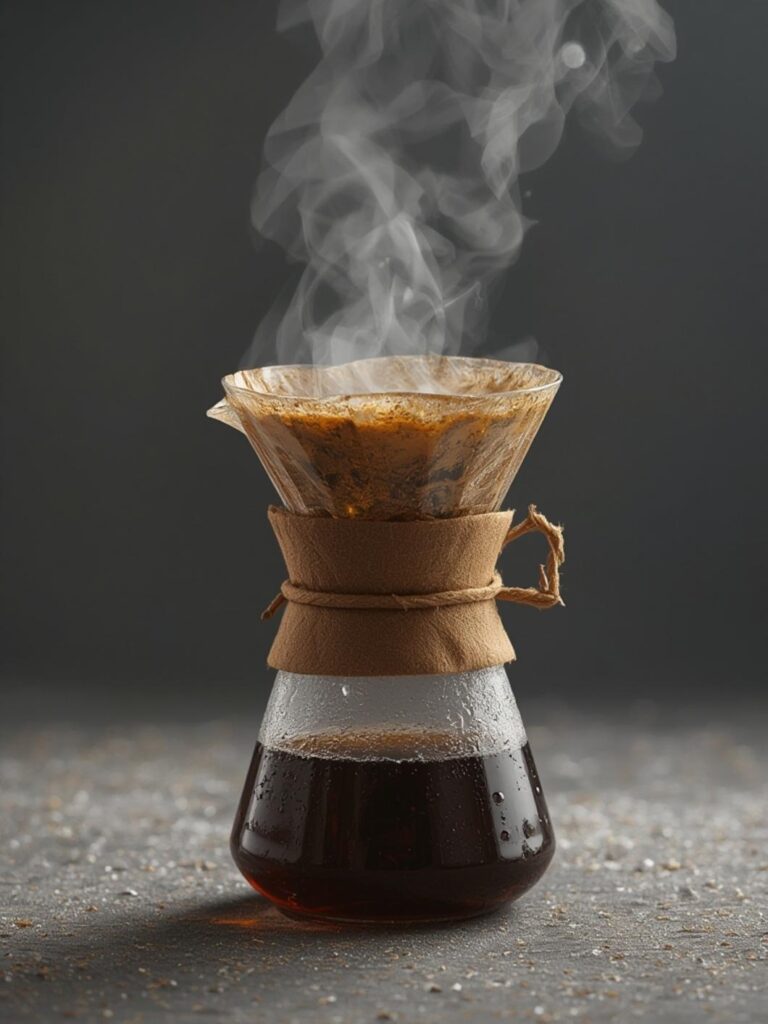
– Drip coffee maker or pour-over system
– Burr grinder for fresh grounds
– Digital kitchen scale
– Gooseneck kettle for precise pouring
– Quality mugs or thermal cups
Coffee Supplies:
– Medium-roast coffee beans (whole bean preferred)
– Filtered water
– Optional: flavored syrups like vanilla or hazelnut
– Whole milk, oat milk, or your preferred creamer
Optional Accessories:
– Milk frother for specialty drinks
– Espresso machine for advanced brewing
– French press as an alternative method
– Insulated carafe for keeping coffee warm
Each item contributes to the overall quality. A burr grinder, for instance, provides consistent particle size that extracts flavor evenly.
—
Timing / Coffee Schedule
Understanding timing is crucial for achieving optimal flavor extraction. Here’s your brewing schedule breakdown:
Preparation Time: 5-7 minutes for grinding beans, measuring water, and setting up equipment.
Brewing Duration: Drip coffee takes 4-6 minutes, while pour-over methods require 3-4 minutes of active brewing. Espresso extraction happens in just 25-30 seconds.
Serving Time: Coffee tastes best within 15-20 minutes of brewing. After 30 minutes, oxidation begins affecting flavor quality.
—
Step-by-Step Instructions
Follow these detailed steps to achieve that authentic doughnut shop coffee taste:
Step 1: Measure Your Beans
Use 2 tablespoons (10-12 grams) of whole beans per 6 ounces of water. This ratio creates a balanced, flavorful cup.
Step 2: Grind Fresh
Grind beans to a medium consistency, similar to sea salt texture. Fresh grinding releases aromatic oils that pre-ground coffee loses quickly.
Step 3: Heat Your Water
Bring filtered water to 195-205°F (90-96°C). Water that’s too hot causes bitterness, while cooler water under-extracts.
Step 4: Bloom the Grounds
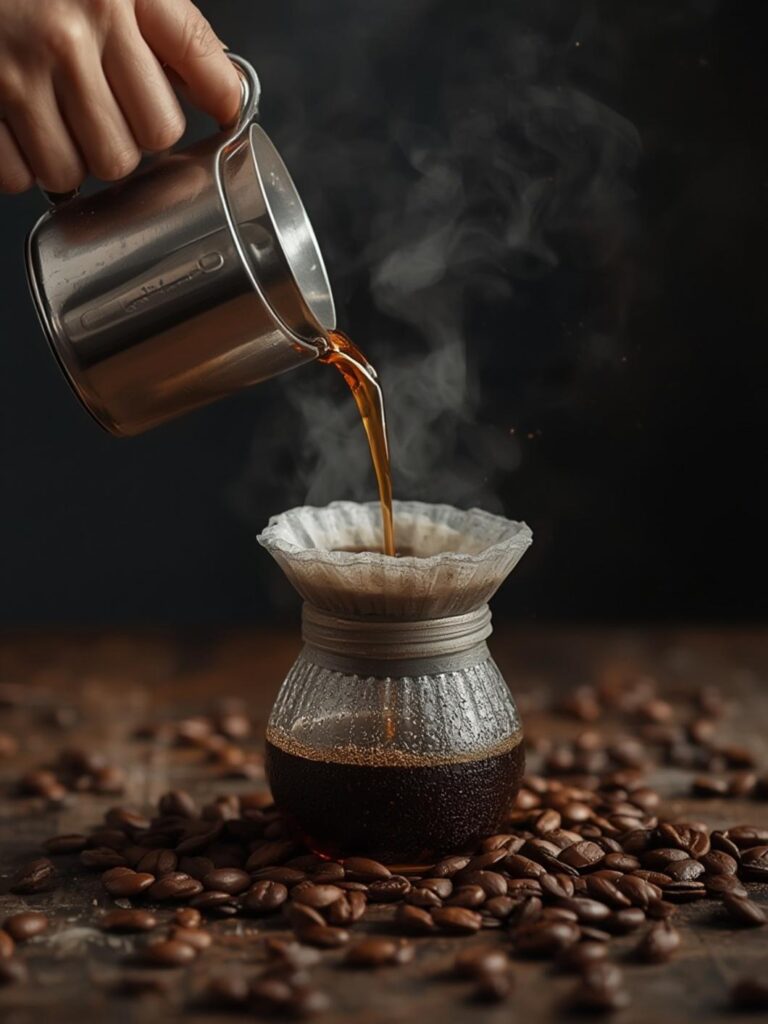
Pour just enough hot water to saturate the grounds. Wait 30-45 seconds for gases to escape, enhancing flavor extraction.
Step 5: Complete the Brew
Pour remaining water in slow, circular motions. Maintain steady flow for even saturation throughout the coffee bed.
Step 6: Customize Your Cup
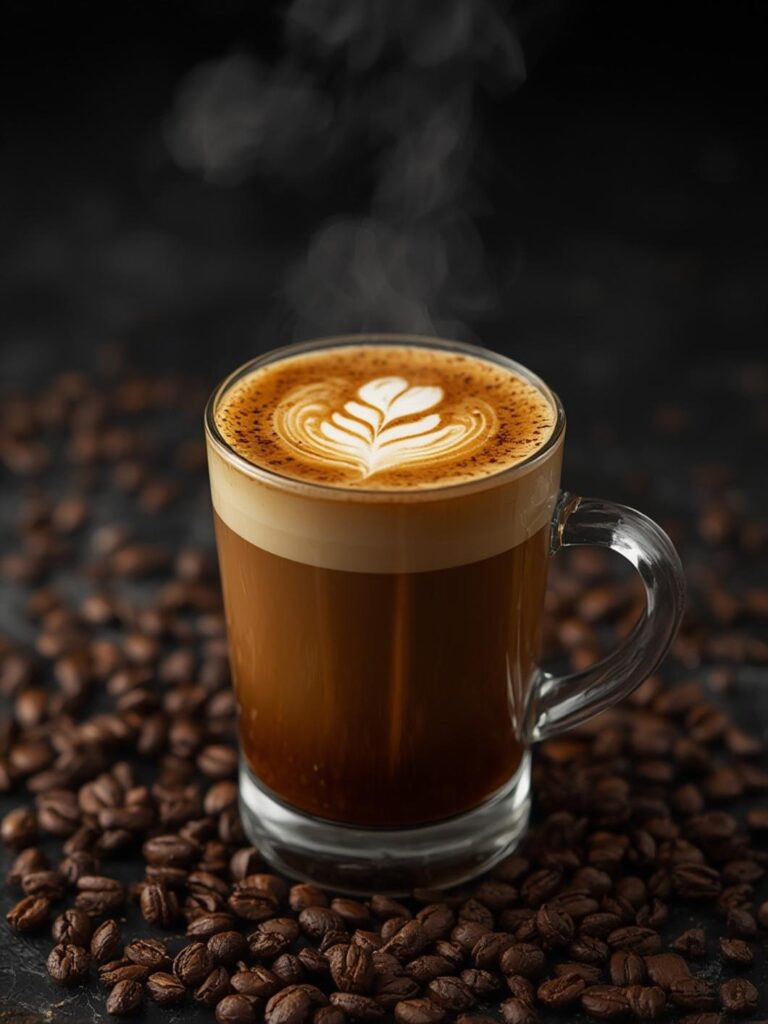
Add milk, cream, or syrups according to preference. For doughnut shop espresso drinks, steam milk to 150°F and layer carefully.
—
Benefits / Advantages
Brewing at home offers numerous advantages beyond convenience.
Financial Savings: Making coffee at home costs approximately $0.50 per cup compared to $3-5 at coffee shops. Annual savings can exceed $1,000.
Health Control: You control sugar content, milk type, and portion sizes. This allows for healthier choices without sacrificing taste.
Environmental Impact: Reusable equipment reduces single-use cup waste. Your carbon footprint decreases significantly.
Freshness Guarantee: Home-brewed coffee reaches your cup within minutes of brewing, ensuring peak flavor and aroma.
—
Tips, Alternative Methods, or Coffee Advice
Experiment with these variations to find your perfect brew:
French Press Method: Use coarse grounds and steep for 4 minutes. This produces a fuller-bodied cup with natural oils.
Cold Brew Option: Steep coarse grounds in cold water for 12-24 hours. The result is smooth, less acidic, and perfect for summer.
Seasonal Flavors: Add cinnamon during brewing for autumn vibes. Try peppermint extract during winter holidays.
Latte Art Practice: Start with simple heart patterns. Use properly steamed milk with microfoam consistency.
For small kitchens, consider compact pour-over systems or single-serve brewers that require minimal counter space.
—
Common Mistakes to Avoid
Using Stale Beans: Coffee beans lose freshness 2-3 weeks after roasting. Purchase smaller quantities more frequently.
Incorrect Water Temperature: Boiling water scorches grounds. Always let water cool slightly after boiling.
Wrong Grind Size: Too fine creates bitterness; too coarse produces weak coffee. Match grind size to your brewing method.
Neglecting Equipment Cleaning: Coffee oils become rancid over time. Clean equipment weekly with proper descaling solutions.
Improper Storage: Storing beans in the refrigerator introduces moisture. Keep them in airtight containers at room temperature.
—
Storage / Maintenance Tips
Proper storage extends coffee freshness and equipment lifespan.
Whole Beans: Store in opaque, airtight containers away from heat and light. Consume within 3-4 weeks of roasting.
Ground Coffee: Use within one week of grinding. Store in sealed containers at room temperature.
Brewed Coffee: Refrigerate leftover coffee for up to 3 days. Reheat gently or use for iced coffee.
Equipment Maintenance: Descale coffee makers monthly using white vinegar solution. Rinse thoroughly before brewing.
—
Conclusion
Creating exceptional doughnut shop coffee at home is entirely achievable with proper technique and quality ingredients. From selecting fresh beans to mastering extraction timing, each step contributes to that beloved bakery experience.
Remember, practice makes perfect. Start with basic brewing methods before advancing to complex doughnut shop espresso drinks. Your kitchen can become your personal café with dedication and the right approach.
Ready to elevate your morning routine? Gather your supplies today and start brewing your perfect cup tomorrow!
—
Curious how much caffeine you are actually getting? We break down how much caffeine is in a donut shop K-Cup in a dedicated guide.
FAQs
What coffee roast do doughnut shops typically use?
Most use medium-roast blends that offer balanced flavor without overwhelming bitterness. This roast level complements sweet pastries perfectly.
How can I make my home coffee less bitter?
Use slightly cooler water (195°F), avoid over-extraction, and ensure proper grind size. Fresh beans also produce smoother results.
Is espresso stronger than drip coffee?
Espresso is more concentrated but contains less total caffeine per serving. An 8-ounce drip coffee contains more caffeine than a single espresso shot.
How often should I clean my coffee maker?
Perform weekly cleaning with warm soapy water. Deep clean with descaling solution monthly to remove mineral buildup.
Can I reuse coffee grounds?
Reusing grounds produces weak, flavorless coffee. However, spent grounds work excellently as garden compost or natural deodorizer.