Best Pour Over Ratios: 7 Perfect Coffee Brews
Have you ever wondered why your homemade coffee doesn’t taste quite like the artisan brew from your favorite café? The secret often lies in precision—specifically, understanding pour over ratios that professional baristas swear by. Getting your coffee to water ratio right can transform your morning routine from disappointing to extraordinary. Whether you’re a coffee enthusiast looking to elevate your brewing skills or a beginner eager to learn, this comprehensive guide will walk you through everything you need to know about creating café-quality coffee in your own kitchen.
Table of Contents
Materials & Supplies
To achieve the perfect pour over coffee, you’ll need the following essential items:
Coffee Essentials:
– Freshly roasted whole bean coffee (medium roast recommended for beginners)
– Burr grinder for consistent grounds
– Digital kitchen scale (accuracy to 0.1g preferred)
– Gooseneck kettle for precise pouring control
Brewing Equipment:
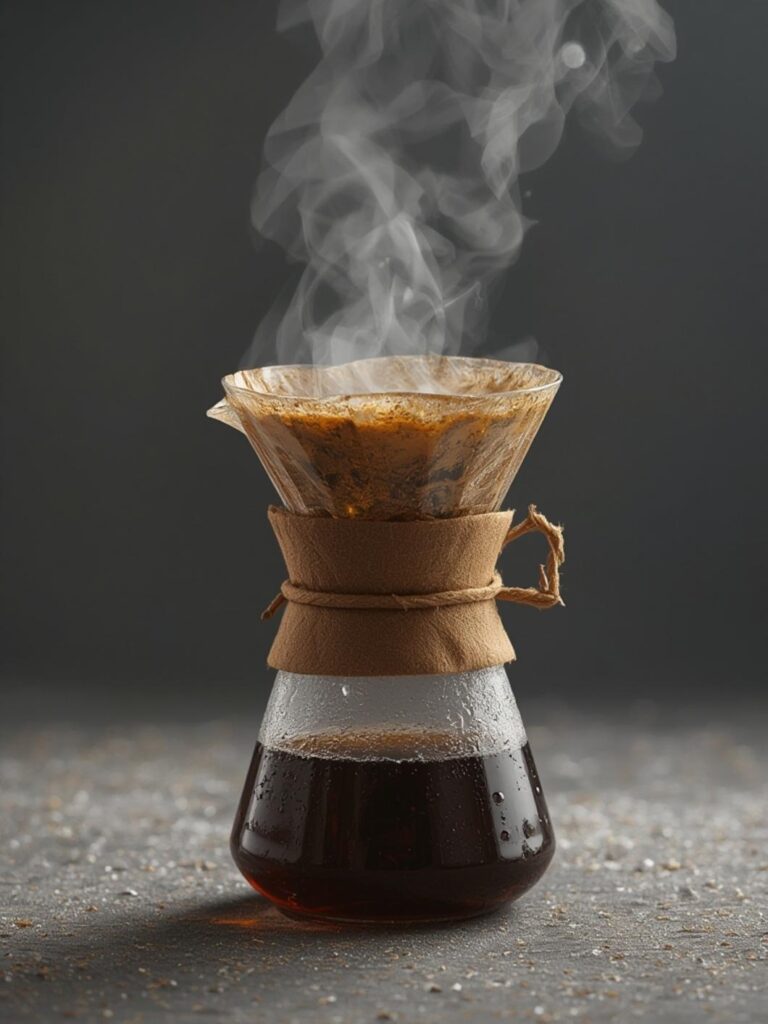
– Pour over dripper (Hario V60, Chemex, or Kalita Wave)
– Paper or reusable metal filters
– Coffee server or carafe
– Timer (smartphone works perfectly)
Optional Accessories:
– Thermometer for water temperature monitoring
– Coffee storage container with CO2 valve
– Quality ceramic or glass mug
– Milk frother for lattes
Each tool plays a crucial role in achieving consistency. A burr grinder, for instance, produces uniform grounds that extract evenly, while a gooseneck kettle allows for the controlled, circular pouring motion essential for proper extraction.
—
Timing / Coffee Schedule
Understanding timing is crucial for pour over success. The entire process typically takes 4-6 minutes from start to finish.
Preparation Phase (2-3 minutes):
Boil water and let it cool to 195-205°F (90-96°C). Meanwhile, grind your beans to a medium-fine consistency resembling sea salt.
Brewing Phase (3-4 minutes):
The actual brewing involves a 30-45 second bloom followed by 2.5-3.5 minutes of controlled pouring. This total contact time ensures optimal flavor extraction.
Serving:
Pour immediately after brewing for the freshest taste. Coffee begins losing its aromatic compounds within minutes of brewing.
—
Step-by-Step Instructions
Step 1: Measure Your Coffee
Use your scale to measure coffee beans. The golden standard for pour over ratios is 1:15 to 1:17 (coffee to water). For a single cup, start with 20g of coffee and 300g of water.
Step 2: Grind Fresh
Grind beans immediately before brewing. A medium-fine grind works best for most pour over methods.
Step 3: Rinse the Filter
Place your filter in the dripper and rinse with hot water. This removes paper taste and preheats your equipment.
Step 4: Bloom the Grounds
Add grounds to the filter and pour twice the weight of water (40g for 20g coffee). Wait 30-45 seconds as gases escape.
Step 5: Pour in Circles
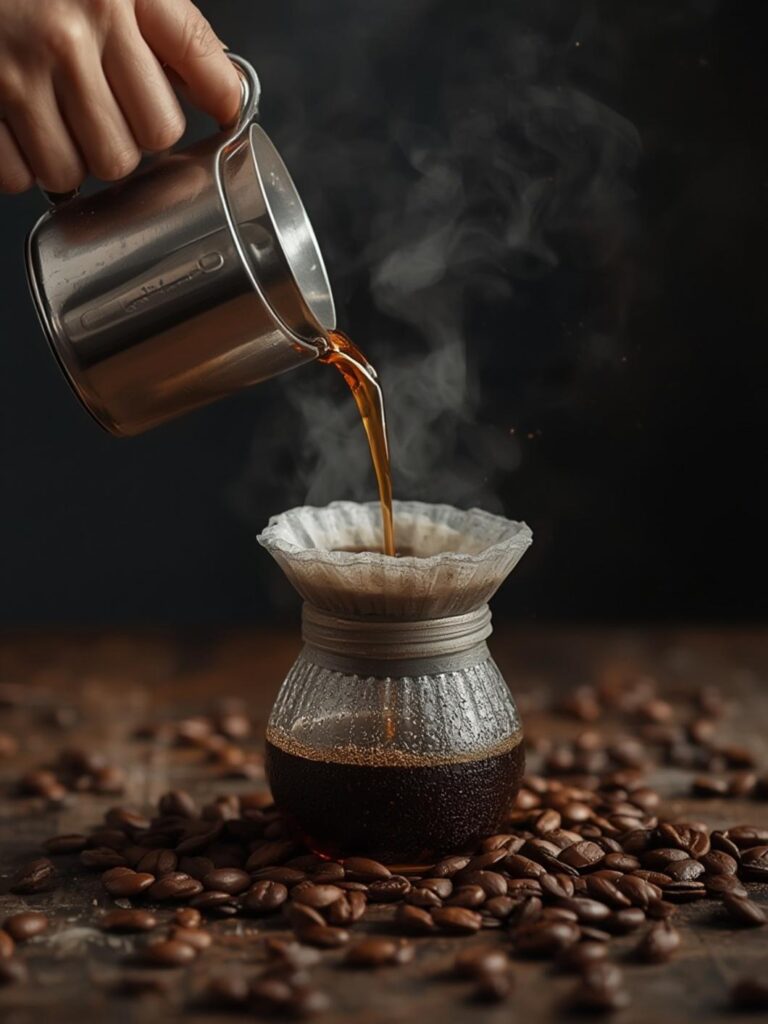
Starting from the center, pour in slow, concentric circles. Maintain a steady stream while keeping the coffee to water ratio consistent throughout the brew.
Step 6: Complete the Brew
Continue pouring until you reach your target water weight. Total brew time should be 3-4 minutes.
—
Benefits / Advantages
Superior Flavor Control:
Pour over brewing gives you complete control over every variable, resulting in a cleaner, more nuanced cup than automatic drip machines.
Cost-Effective:
Making specialty coffee at home saves significant money compared to daily café visits. Quality equipment pays for itself within months.
Health Benefits:
Paper filters remove cafestol and kahweol, compounds that can raise cholesterol levels. You also control sugar and additives.
Environmental Impact:
Brewing at home reduces single-use cup waste and carbon footprint from transportation.
—
Tips, Alternative Methods, or Coffee Advice
French Press Alternative:
Use a coarser grind and a 1:12 ratio for a bolder, fuller-bodied cup with more oils.
Cold Brew Method:
Try a 1:8 ratio with 12-24 hours steeping time for smooth, low-acid coffee concentrate.
Espresso Lovers:
Invest in a quality home espresso machine for lattes and cappuccinos using a 1:2 ratio.
Seasonal Variations:
Add cinnamon during fall or create iced pour overs during summer by brewing directly over ice.
Limited Space Solutions:
Compact AeroPress offers excellent results for small kitchens and travel.
—
Common Mistakes to Avoid
Using Stale Coffee:
Coffee peaks 7-21 days post-roast. Always check roast dates and buy smaller quantities more frequently.
Incorrect Water Temperature:
Water that’s too hot creates bitter coffee; too cold results in under-extraction. Invest in a thermometer.
Inconsistent Pouring:
Rushing or uneven pouring causes channeling. Practice slow, steady circular motions.
Ignoring the Scale:
Eyeballing measurements leads to inconsistent results. Always weigh both coffee and water.
Skipping the Bloom:
The bloom releases CO2 that would otherwise prevent proper extraction. Never skip this step.
—
Storage / Maintenance Tips
Storing Beans:
Keep whole beans in an airtight container away from light, heat, and moisture. Avoid refrigeration, which introduces humidity.
Ground Coffee:
Use within 30 minutes of grinding for optimal freshness. Pre-ground coffee loses aromatics rapidly.
Brewed Coffee:
Consume within 30 minutes. Avoid reheating, which destroys flavor compounds.
Equipment Maintenance:
Clean your dripper after each use. Deep clean grinders monthly by running rice through them to remove oils.
—
Conclusion
Mastering pour over ratios transforms your daily coffee ritual into an artisanal experience. By understanding the proper coffee to water ratio and following consistent techniques, you’ll brew café-quality coffee every single time. Start with the 1:15 ratio, adjust to your taste preferences, and enjoy the journey of coffee discovery. Ready to elevate your brewing game? Gather your supplies and start experimenting today!
—
FAQs
What is the best pour over ratio for beginners?
Start with a 1:16 ratio (1 gram of coffee to 16 grams of water). This produces a balanced, approachable cup that you can adjust based on preference.
How fine should I grind coffee for pour over?
Aim for medium-fine, similar to table salt or sea salt. Adjust finer for stronger coffee or coarser if your brew tastes bitter.
Can I use tap water for pour over coffee?
Filtered water is recommended. Tap water with high chlorine or mineral content can negatively affect flavor.
How long should pour over coffee take to brew?
Total brew time should be 3-4 minutes. Faster indicates too-coarse grounds; slower suggests too-fine grounds.
Why does my pour over coffee taste weak?
Common causes include too-coarse grind, insufficient coffee, water temperature too low, or pouring too quickly. Adjust one variable at a time.