Top 5 Best Pour Over Coffee Maker Picks
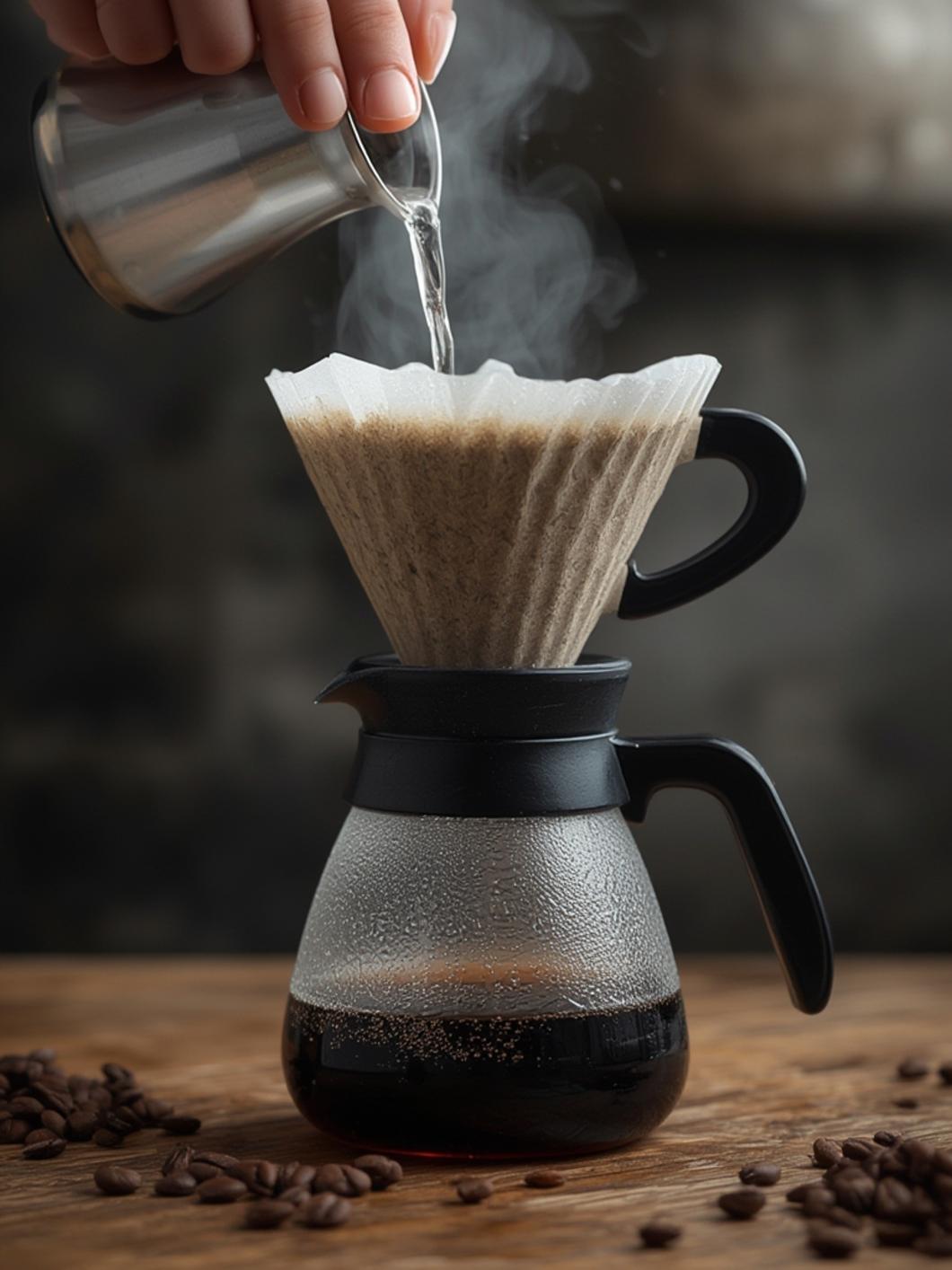
Pour-over brewing comes down to one variable a drip machine automates away: control. You decide the water flow, the timing, and the pour pattern, and different dripper designs hand you different amounts of that control — from a device that rewards precise technique to one that’s nearly impossible to brew badly with.
What Pour-Over Actually Requires
Beyond the dripper itself, you need paper or metal filters sized to it, a way to heat water (a gooseneck kettle helps with the more technique-dependent drippers below, but isn’t mandatory for all of them), and a scale if you want repeatable results. The dripper is what determines how forgiving or demanding the rest of that process is.
Five Pour-Over Drippers Worth Owning
Hario V60
A cone with a single large hole at the bottom and spiral ribs running down the inside, which let brewed coffee flow rather than pool against the filter. That open design makes the V60 the most technique-sensitive dripper here — pour rate and pattern genuinely change the result — which is exactly why it’s the standard choice for people who want to tune their brew rather than get the same cup every time on autopilot.
Chemex
Recognizable by its hourglass shape and thick, bonded filters — noticeably heavier paper than a standard cone filter — which strip out more oils and fine particles than other methods, producing a cleaner, lighter, almost tea-like cup. It also brews multiple cups at once in the same vessel you serve from, which the single-cup drippers here don’t do as naturally.
Kalita Wave
A flat-bottomed dripper with three small holes and a distinctive rippled “wave” filter, designed specifically to be more forgiving than a cone shape. The flat bed of grounds extracts more evenly regardless of exactly how you pour, which is why it’s often recommended as the beginner’s entry into pour-over — consistent results without needing V60-level pouring precision.
Clever Dripper
Shaped like a pour-over cone but brews by immersion — a valve at the bottom stays closed while the grounds steep in hot water for a few minutes, then opens once you set it on a cup or carafe. That combination gives you a French press’s full body without its sediment, and a pour-over’s clean filtered cup without needing a gooseneck kettle or precise pouring technique at all.
Bee House
A simple ceramic cone with a flat bottom and two drainage holes, sized with standard #1 or #2 cone filters. The wedge-shaped body and dual holes regulate water flow on their own, so an inconsistent pour doesn’t wreck the cup the way it can with a V60. It’s an affordable, low-maintenance entry point for anyone who wants pour-over’s cleaner cup without buying into V60-style technique.
Getting a Better Cup From Any of These
Grind matters more here than with a drip machine — medium-fine and consistent, since uneven grounds extract unevenly no matter how careful your pour is. Water just off a rolling boil (around 200°F) is the standard target; water that’s too hot scorches the grounds and pulls out bitterness. And a 30-second “bloom” — a small initial pour that just wets the grounds and lets built-up CO2 escape before the main pour — improves extraction on every dripper listed here, immersion-style Clever Dripper included.
For a more complete rundown of these and other techniques, see our guide to pour-over coffee methods.
FAQs
Which of these is easiest for a beginner?
The Kalita Wave or Clever Dripper. Both are built specifically to be forgiving of imprecise pouring — the Wave through its flat bed and multiple holes, the Clever Dripper by using immersion instead of pour technique at all.
Do I need a gooseneck kettle for all of these?
No. It genuinely helps with the V60 specifically, where pour control matters most. The Clever Dripper doesn’t need one at all since you’re not pouring in a controlled stream, and the Wave and Bee House are more tolerant of a regular kettle than the V60 is.
Why does Chemex coffee taste different from the others?
Its filters are considerably thicker than standard cone filters, which strips out more oils and fine sediment. That’s what produces its signature clean, light, almost tea-like cup compared to the fuller body you get from the other drippers here.
Can I use a metal filter instead of paper in any of these?
Metal filters exist for the V60 and a few other cone shapes, and they let more oils through for a fuller-bodied cup. The Chemex is the exception — its thick paper filter is central to what makes it a Chemex, so a metal filter defeats the point of choosing one.