Top 7 Live Edge Coffee Table Picks for Your Home
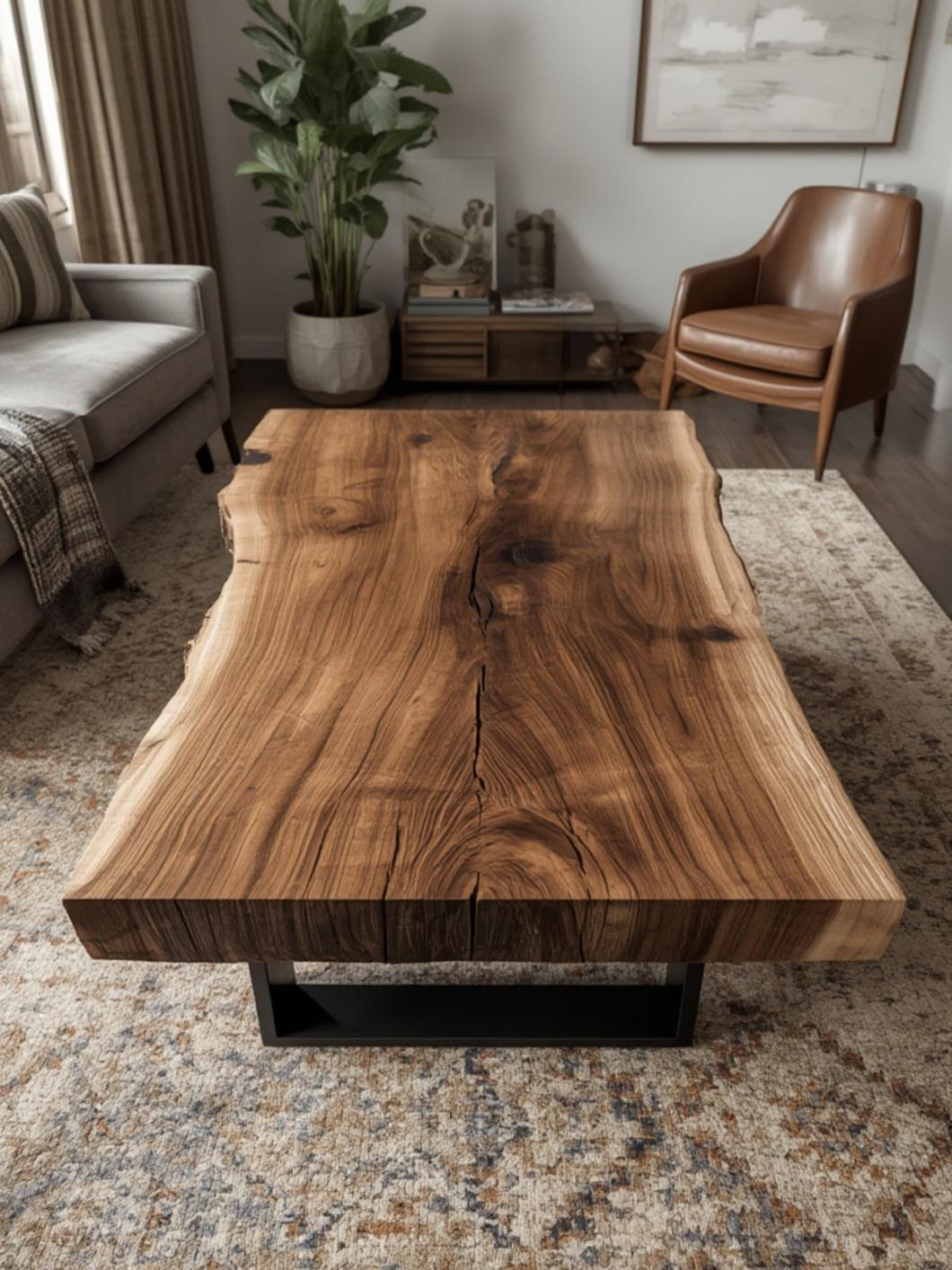
A live edge coffee table is easy to spot but worth defining precisely, because the term gets used loosely. It refers to a table where the natural, uncut edge of the tree — bark line, curves, and all — is preserved along one or both sides of the slab, instead of being sawn into a straight rectangle. No two live edge slabs are the same shape, which is the entire appeal: the table is a specific piece of a specific tree, not a mass-produced silhouette.
What Actually Makes a Table “Live Edge”
A true live edge piece starts from a single slab cut from a tree trunk, with the natural, organic edge left intact rather than trimmed square. That’s a meaningfully different product from a “rustic” or “wood grain” table that’s simply cut and finished in a traditional rectangular or round shape — a genuine live edge table will show the tree’s actual growth pattern along its border, sometimes including bark, knots, or small natural voids that are typically filled with epoxy resin rather than hidden.
7 Live Edge Coffee Tables Worth a Look
Artisan Born Live Edge Black Walnut Coffee Table/Bench
Built from real American black walnut, this dual-purpose piece works as a coffee table or an extra bench seat, made from genuine hardwood rather than a walnut veneer over a composite core.
Artisan Born Live Edge Walnut Coffee Table
The standard walnut version from the same maker, built for everyday coffee-table use rather than double duty as seating — a straightforward entry point into Artisan Born’s American-hardwood live edge line.
Artisan Born Y-Shaped Live Edge Black Walnut Coffee Table
A distinctive base design — cut in a Y-shaped support rather than traditional four legs — pairs with the same black walnut slab construction, for anyone who wants the base itself to be as much of a design statement as the live edge top.
Snyder’s Furniture Amish-Made Live Edge Slab Walnut Table
Handcrafted to order by Amish artisans, Snyder’s live edge tables are available in walnut, ash, and maple, with sizing built around the specific slab being used rather than a fixed catalog dimension. Made-to-order construction means longer lead times than a stocked item, but a table built around the actual piece of wood you’re getting.
WELLAND Live Edge Cedar Wood Coffee Table
Genuine cedar with visible grain patterns, knots, and natural voids gives this table a distinctly different look and scent profile from the walnut options above — cedar reads lighter and more rustic, and carries the material’s characteristic aroma when new.
Wayfair Dylin Live Edge Walnut Coffee Table
A solid slab of premium South American walnut with a modern industrial base, finished with a zero-VOC, non-toxic topcoat that’s built to match the hardness and durability of a traditional lacquer or polyurethane finish without the stronger off-gassing during application.
Wayfair Overflow Acacia Live Edge Coffee Table
Crafted from golden acacia wood with a live edge and a sleek black metal base, the Overflow leans warmer and lighter in tone than the walnut options on this list — a distinct look for anyone who wants live edge character without a darker wood palette.
Handcrafted vs. Mass-Produced: What You’re Actually Paying For
Live edge tables span a wider price range than almost any other coffee table category, and the reason comes down to how they’re made. Small-batch and made-to-order pieces — like Snyder’s Amish-crafted slabs or boutique makers such as Artisan Born — involve a real person selecting, drying, and finishing an individual slab, which takes more time and costs more. Larger retailers like Wayfair carry live edge designs manufactured at greater scale, which brings the price down but means less say over the exact slab you receive. Neither approach is “better” outright — it depends on whether owning a specific, one-of-one piece of wood matters to you, or whether you want the live edge look at a more accessible price and faster turnaround.
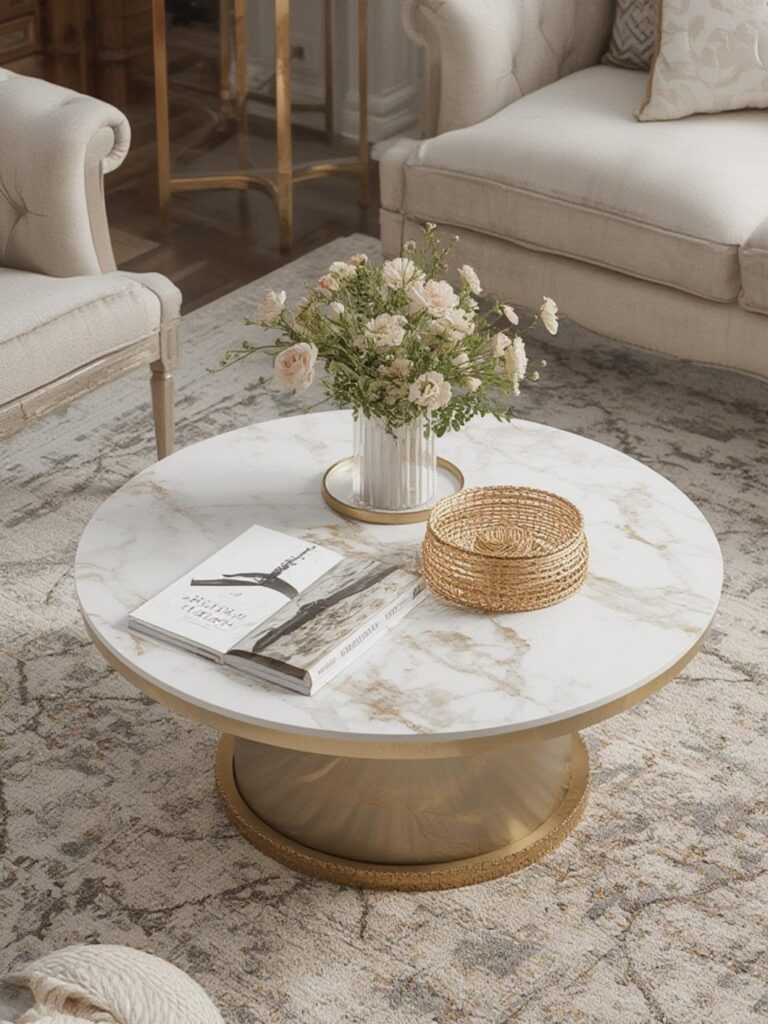
Prefer a smoother, more polished surface over raw natural wood? A marble coffee table offers a different kind of one-of-a-kind character — natural stone veining instead of a tree’s natural edge.
FAQs
What’s the difference between a live edge table and a regular wood coffee table?
A live edge table preserves the tree’s natural, uncut edge along the slab, so no two tables are identical. A standard wood coffee table — even a beautiful one — is cut into a uniform rectangular or round shape.
Why do live edge tables often have resin-filled sections?
Natural slabs frequently contain knots, cracks, or voids as part of the tree’s real growth pattern. Clear or tinted epoxy resin is commonly used to fill these areas, stabilizing the slab structurally while keeping the natural shape visible rather than cutting the flawed section away.
Are live edge tables more expensive than standard wood coffee tables?
Generally yes, especially handcrafted or made-to-order pieces, since each slab has to be individually selected and finished rather than mass-produced from a repeatable template. Larger retailers offer more accessible live edge options, though with less control over the specific slab.
Do live edge tables need special care?
They need the same basic care as any solid wood table — coasters for drinks, prompt cleanup of spills, and periodic oiling depending on the finish. The main extra consideration is that the irregular edge can have thinner or more delicate points than a squared-off table, so it’s worth handling with a bit more care when moving.