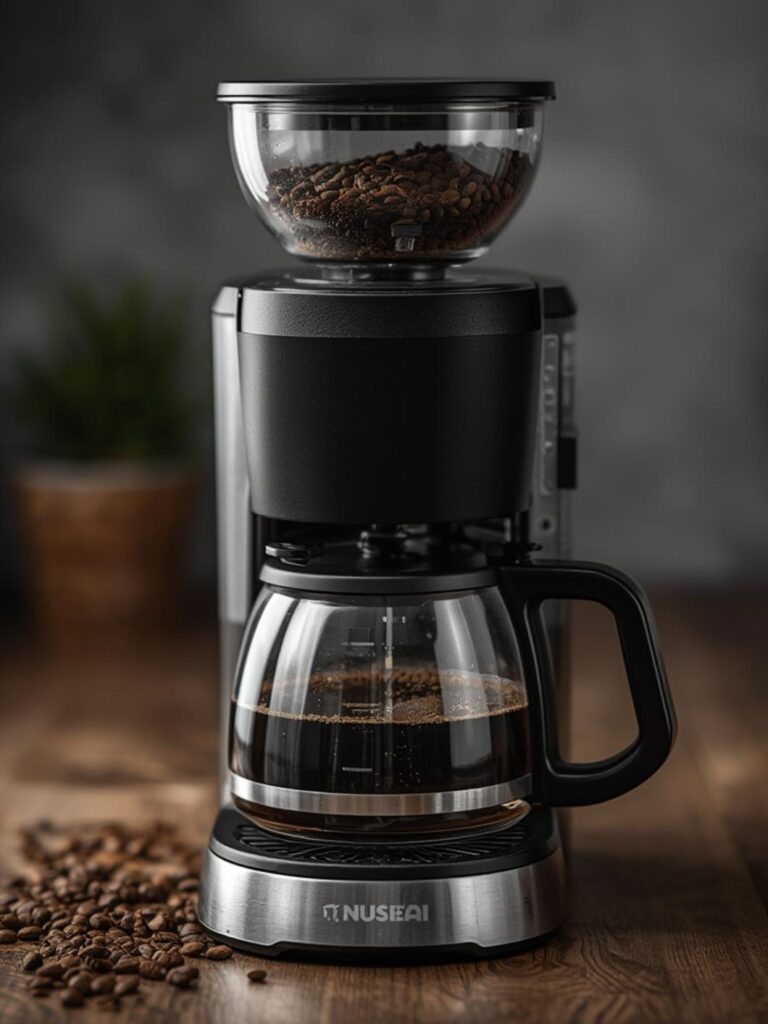
Top 7 Tips to Find Your Favorite Coffee Shop
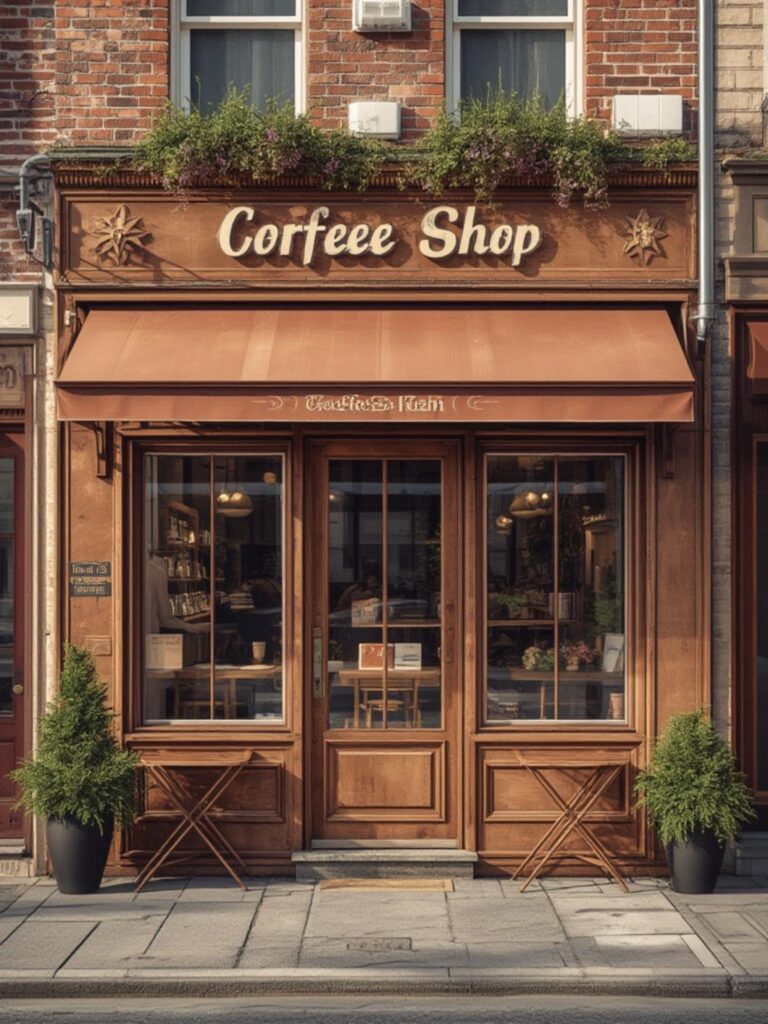
Have you ever wondered why that morning cup from your local café tastes so much better than what you brew at home? The secret isn’t magic—it’s technique, quality ingredients, and understanding the craft behind every pour. Whether you’re a busy professional seeking convenience or a coffee enthusiast wanting to perfect your skills, recreating your favorite coffee shop experience at home is entirely achievable. The inviting coffee shop atmosphere you love can become part of your daily routine. This comprehensive guide will walk you through everything you need to transform your kitchen into a personal café.
Table of Contents
Materials & Supplies
Creating exceptional coffee at home requires the right equipment and ingredients. Here’s what you’ll need:
Essential Equipment:
– Coffee grinder (burr grinder preferred for consistent grounds)
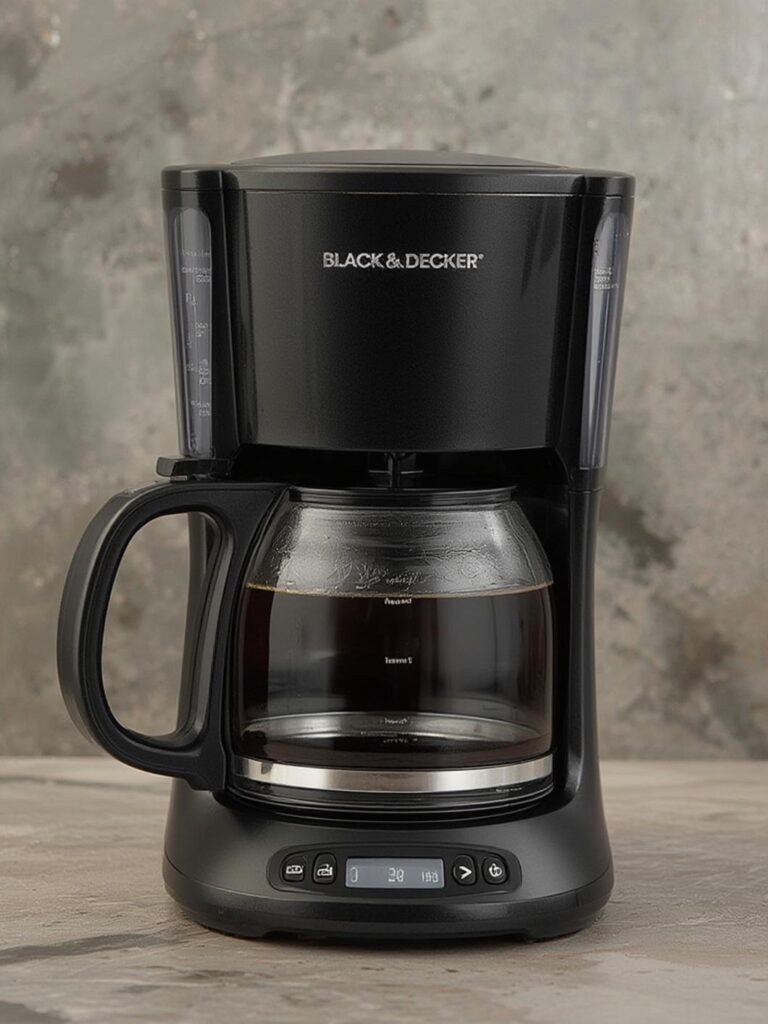
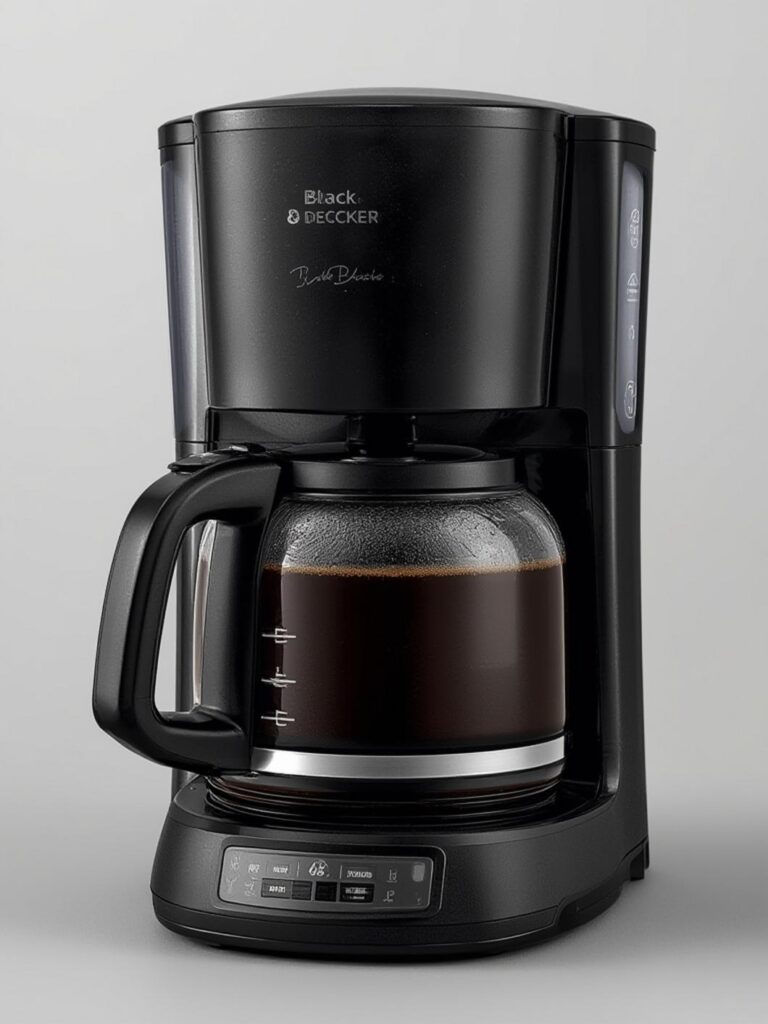
– Brewing device (drip coffee maker, French press, pour-over, or espresso machine)
– Gooseneck kettle for precise pouring
– Digital scale for accurate measurements
– Quality coffee mugs or cups
Coffee Supplies:
– Freshly roasted whole bean coffee (purchase within two weeks of roast date)
– Filtered water (crucial for taste)
– Milk or dairy alternatives (oat, almond, coconut)
– Flavor syrups (vanilla, caramel, hazelnut)
Optional Accessories:
– Milk frother or steam wand
– Thermometer for water temperature
– Timer for consistent brewing
– Coffee storage container with one-way valve
—
Timing / Coffee Schedule
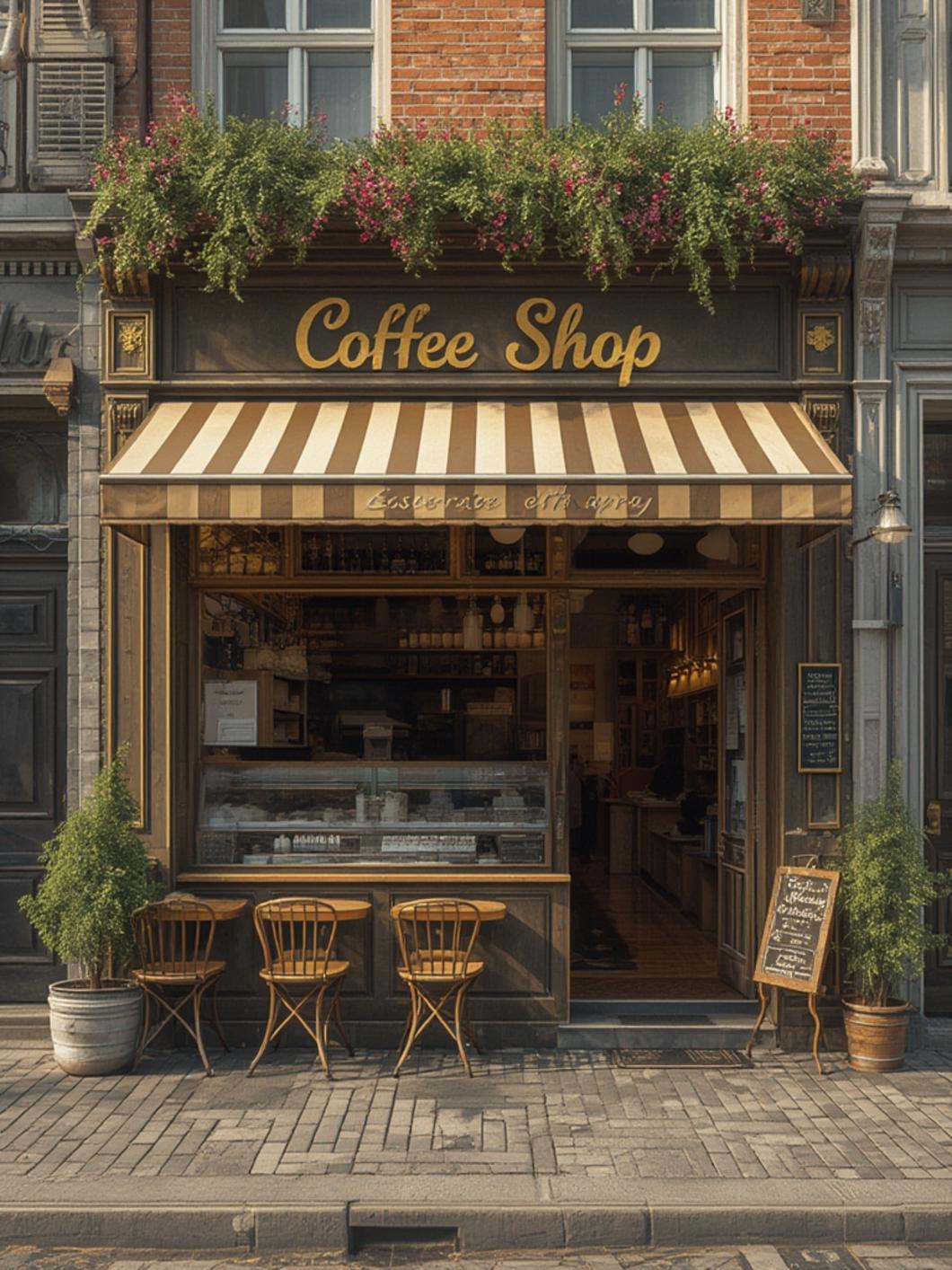
Understanding timing is crucial for perfect coffee extraction. Different brewing methods require different time investments.
Preparation Time: Allow 5-10 minutes for grinding beans, heating water, and setting up your equipment. Water should reach 195-205°F (90-96°C) for optimal extraction.
Brewing Duration: Drip coffee takes 4-6 minutes, French press requires 4 minutes of steeping, pour-over needs 3-4 minutes, and espresso extracts in just 25-30 seconds.
Serving Time: Coffee tastes best immediately after brewing. Plan your schedule so you can enjoy your cup fresh and hot.
—
Step-by-Step Instructions

Follow these detailed steps to brew café-quality coffee every time:
Step 1: Measure Your Coffee
Use a ratio of 1:16 (coffee to water). For a standard 12-ounce cup, measure 22 grams of whole beans.
Step 2: Grind Fresh
Grind beans immediately before brewing. Match your grind size to your brewing method—coarse for French press, medium for drip, fine for espresso.
Step 3: Heat Your Water
Bring filtered water to the proper temperature. Water that’s too hot extracts bitter compounds; too cold results in weak, sour coffee.
Step 4: Bloom Your Coffee
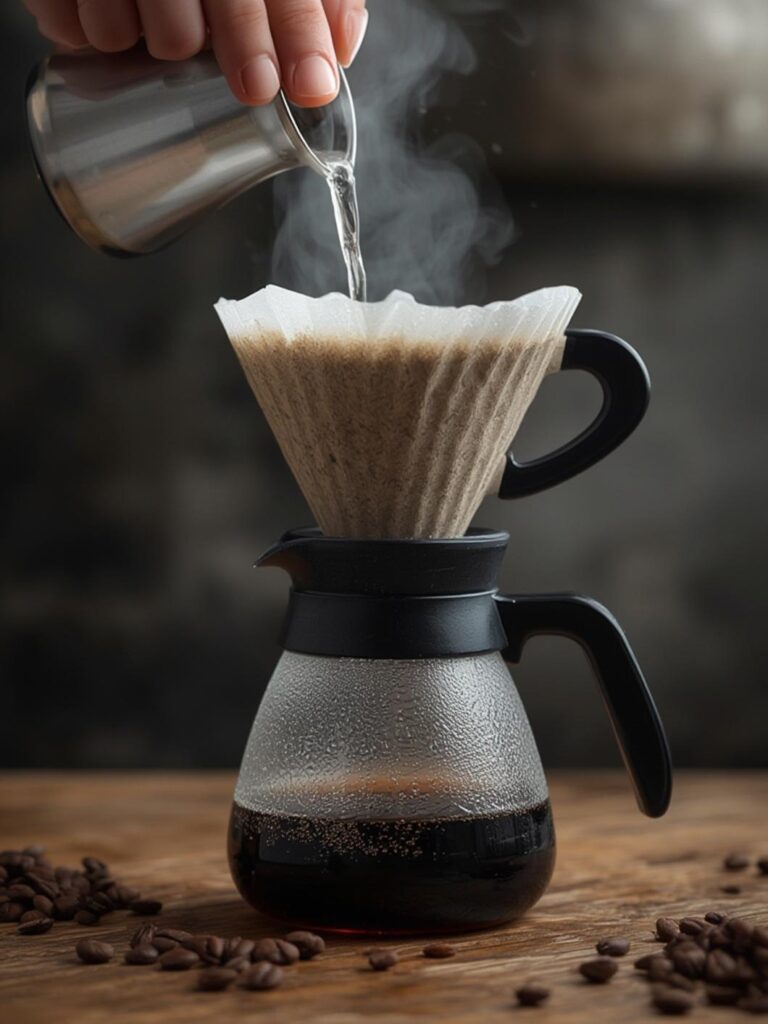
For pour-over methods, wet the grounds with a small amount of water and wait 30 seconds. This releases carbon dioxide and improves extraction.
Step 5: Brew and Serve
Complete your brewing process according to your chosen method. Recreating your favorite coffee shop drink becomes easier with practice. Consider playing soft music or jazz to enhance that coffee shop atmosphere while you enjoy your creation.
—
Benefits / Advantages
Brewing coffee at home offers numerous advantages beyond just convenience.
Financial Savings: The average American spends $1,100 annually on coffee shop purchases. Home brewing costs roughly $0.25-0.75 per cup.
Health Control: You control sugar content, milk type, and portion sizes. No hidden calories or artificial additives unless you choose them.
Environmental Impact: Reduce single-use cups and packaging waste. A reusable mug prevents approximately 500 disposable cups from entering landfills yearly.
Skill Development: Learning coffee brewing is a rewarding hobby that impresses guests and deepens appreciation for the craft.
—
Tips, Alternative Methods, or Coffee Advice
Variety keeps your coffee routine exciting. Explore these alternatives:
Cold Brew Method: Steep coarse grounds in cold water for 12-24 hours. The result is smooth, less acidic, and perfect for summer.
Espresso Variations: Master the basics, then explore cappuccinos, lattes, and americanos. Invest in a quality tamper for consistent pressure.
French Press Technique: This full-immersion method produces rich, bold coffee. Use a coarse grind to prevent sediment.
Seasonal Flavors: Add cinnamon during fall, peppermint for winter, or coconut for tropical summer drinks.
Small Kitchen Solutions: Compact pour-over devices and AeroPress brewers work perfectly in limited spaces.
—
Common Mistakes to Avoid
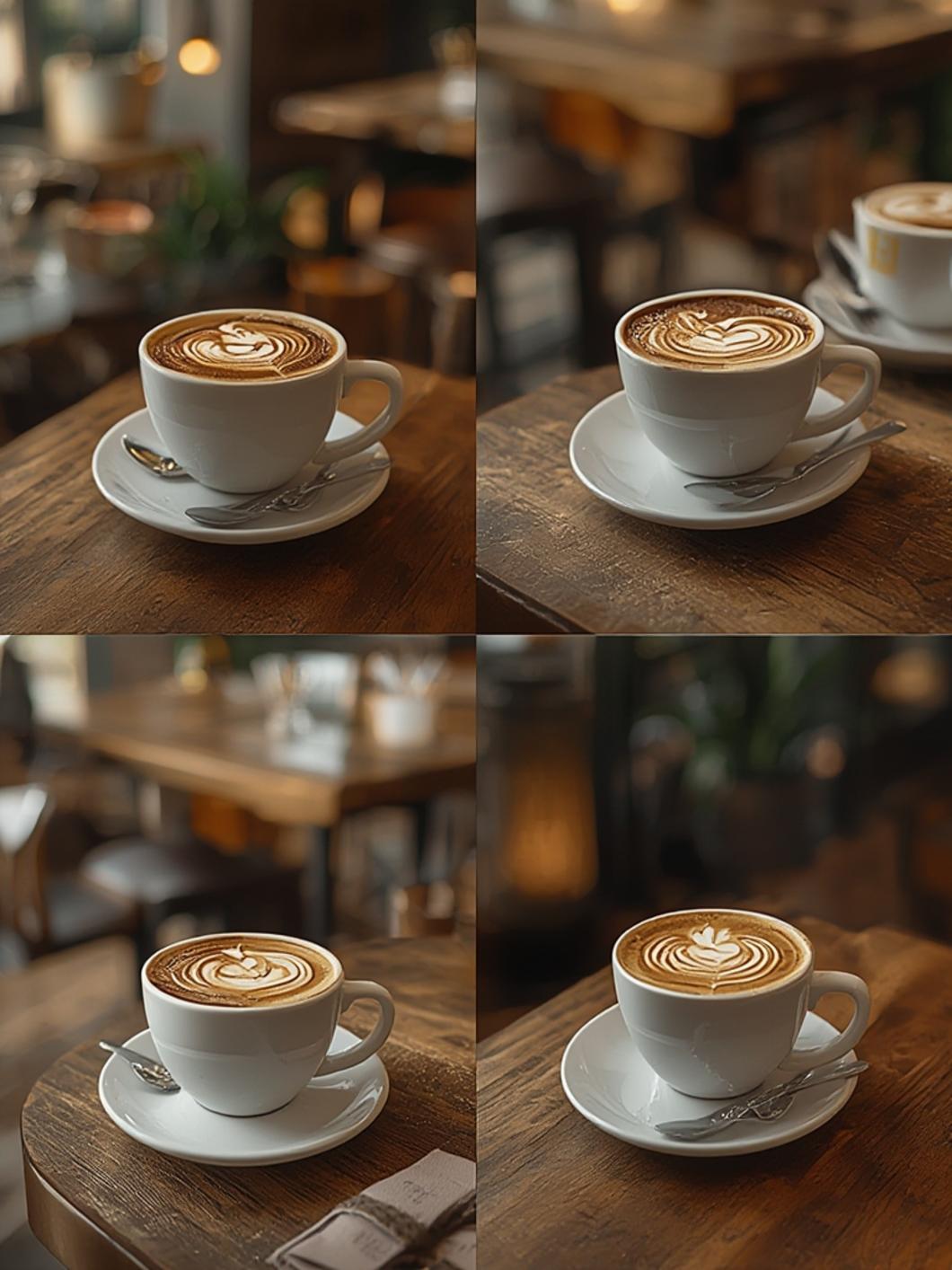
Even experienced home baristas make these errors:
Using Stale Coffee: Coffee beans lose freshness quickly. Purchase smaller quantities more frequently and store properly.
Wrong Grind Size: Mismatched grind size causes over or under-extraction. Research the ideal grind for your specific brewing method.
Ignoring Water Quality: Tap water with chlorine or minerals affects taste significantly. Use filtered or bottled water.
Inconsistent Measurements: Eyeballing amounts leads to unpredictable results. Invest in a digital scale for precision.
Dirty Equipment: Coffee oils become rancid and contaminate future brews. Clean equipment after every use.
—
Storage / Maintenance Tips
Proper storage extends coffee freshness and equipment lifespan.
Storing Whole Beans: Keep beans in an airtight container away from light, heat, and moisture. Avoid refrigeration—temperature fluctuations cause condensation.
Ground Coffee Storage: Ground coffee stales within days. Only grind what you’ll use immediately.
Brewed Coffee: Consume within 30 minutes for best flavor. Never reheat—it destroys delicate flavor compounds.
Equipment Maintenance: Descale machines monthly with white vinegar solution. Clean grinder burrs weekly to prevent oil buildup. Replace paper filters and worn gaskets regularly.
—
Conclusion
Transforming your home into a personal café is an achievable goal that rewards you with better coffee, significant savings, and a satisfying new skill. By investing in quality equipment, sourcing fresh beans, and mastering proper technique, you’ll soon brew cups that rival your favorite coffee shop.
Remember, creating the perfect coffee shop atmosphere at home is about more than just the drink—it’s about the entire experience. Start experimenting with these methods today, and share your creations with friends and family. Your perfect cup awaits!
—
Ready to start exploring? Our roundup of fun coffee shops near me is a good place to begin.
FAQs
Q: How long do coffee beans stay fresh after roasting?
A: Coffee beans are best consumed within 2-4 weeks of roasting. After this period, they lose aromatic compounds and develop stale flavors.
Q: What’s the ideal water temperature for brewing coffee?
A: The optimal temperature ranges from 195-205°F (90-96°C). Water below this range under-extracts, while hotter water creates bitter, burnt flavors.
Q: Should I invest in an expensive espresso machine?
A: Start with manual methods like pour-over or French press. These teach fundamental skills before committing to expensive equipment.
Q: How much coffee should I drink daily?
A: Most health experts consider 3-4 cups (approximately 400mg caffeine) safe for healthy adults. Listen to your body and adjust accordingly.
Q: Can I use pre-ground coffee for good results?
A: While whole beans are preferred, quality pre-ground coffee stored properly can still produce enjoyable cups. Use it within one week of opening.